Microsoft has formally raised the price of its Xbox systems, citing escalating production costs and component costs as the main causes. Many gamers are debating whether it’s still appropriate to buy an Xbox system in light of the announcement, which has spurred conversations throughout the gaming community.
Over the past few years, the gaming sector has seen a number of financial difficulties. Major IT businesses have been compelled to reconsider their pricing strategies due to factors such as increased production costs, transportation costs, shortages of semiconductors, and inflation. As a result of these market realities, Microsoft has now joined the group of businesses that are modifying hardware costs.
This article will discuss Microsoft’s decision to increase the price of Xbox consoles, how it impacts gamers, and what consumers can anticipate in the upcoming months.
Why Did Microsoft Raise the Cost of Xbox Consoles?
Microsoft clarified that the decision was motivated by noticeably increased production and delivery expenses. Advanced processors, fast memory, storage chips, cooling systems, and other high-end parts are needed to make contemporary game consoles.
Maintaining past retail prices has become more challenging as global production costs continue to grow. Microsoft chose to change console price instead of covering all of these costs internally.
Additionally, the firm stressed that raising fees supports long-term investments in cloud gaming, Xbox hardware, software development, and upcoming advancements.
The gaming industry is still being impacted by rising component costs.
Thousands of separate electronic parts from suppliers all around the world are used in gaming consoles.
Costs have increased due to a number of variables, including:
Higher cost semiconductor chips
Increased costs for shipping and logistics
Higher labour expenses
Inflation in all manufacturing sectors
Changes in currency
Disruptions in the supply chain
Component prices are still significantly higher than they were in prior years, notwithstanding improvements in global supply systems.
Which Xbox Systems Are Impacted?
Microsoft’s most recent console range is the main target of the pricing change.
Customers may observe rises for the following, depending on the nation and retailer:
Xbox Series S and Xbox Series X
A few Xbox add-ons
Some packages of first-party gaming hardware
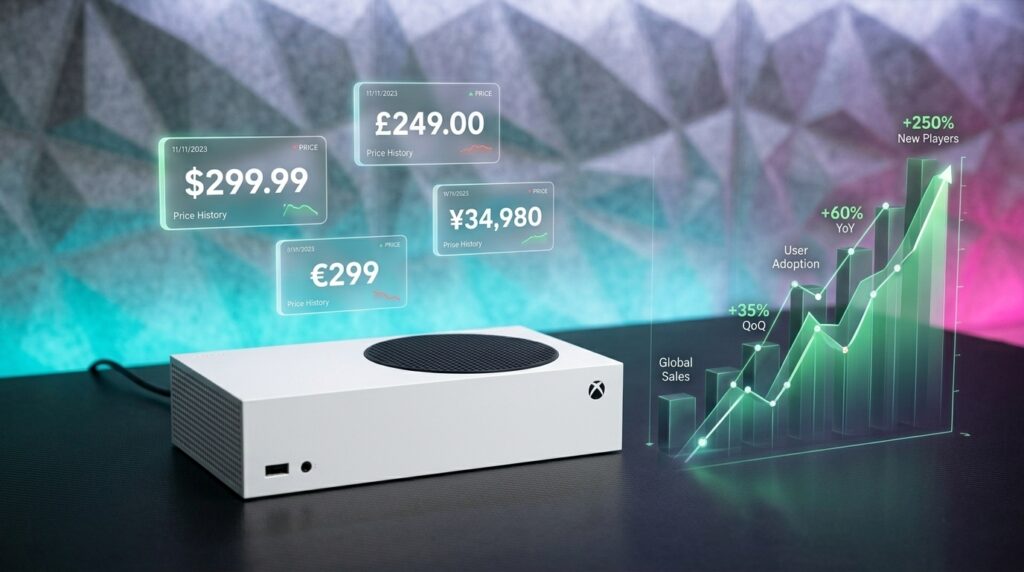
Because local currencies, taxes, and import levies all affect final retail pricing, price disparities vary by region.
What Impact Will It Have on Gamers?
Due to the increased cost, many customers now need to spend more money on a new Xbox system.
Until seasonal discounts are offered, some gamers could put off upgrading. Some might look for retailer deals or select refurbished consoles.
However, current Xbox owners won’t see any modifications to their hardware. Only future purchases are impacted by the price rise.
Despite the increasing console prices, many players think Microsoft’s robust ecosystem—which includes Game Pass, cloud gaming, and exclusive titles—continues to offer fair value.
Is Purchasing an Xbox Right Now?
Your budget and gameplay requirements will determine the solution.
In the event that manufacturing prices continue to rise, purchasing an Xbox sooner rather than later could assist you avoid further price modifications if you have been planning to buy one for several months.
However, consumers searching for the best deal might opt to hold off until big shopping occasions like holiday discounts or Black Friday.
In order to increase the appeal of the entire purchase, retailers often offer bundled offers that include games, controllers, or subscription services.
Will Xbox Game Pass Costs Rise as Well?
While hardware pricing is the main emphasis of Microsoft’s latest statement, many players are wondering if Xbox Game Pass will ever cost more.
Continuous investments in server maintenance, cloud infrastructure, licensing contracts, and game development are necessary for subscription services.
Market analysts predict that subscription pricing will continue to change as gaming services grow, even though Microsoft has not announced another Game Pass price rise in conjunction with this hardware change.
How Does Microsoft Stack Up Against Its Rivals?
There are other businesses dealing with increased production costs than Microsoft.
Manufacturers in the gaming sector are still coping with:
Growing production expenses
Costly electronic parts
The rate of inflation
Challenges in the supply chain
As a result, compared to earlier console generations, hardware prices in the gaming industry are now far less predictable.
Major gaming brands continue to compete fiercely, so businesses must strike a balance between profitability and providing customers with appealing value.
Customer Responses
Reactions from the Xbox community have been conflicting.
Some players think the price adjustment was inevitable because they are aware of the rise in global manufacturing prices.
Others contend that rising console costs, premium game releases, subscription services, and peripherals have made gaming more costly.
Despite divergent views, there is still a strong demand for Xbox hardware, especially among gamers who are drawn to Game Pass and Microsoft’s expanding selection of first-party games.
What This Signifies for Xbox’s Future
Microsoft keeps making significant investments in the gaming industry.
The corporation is helping independent developers, growing cloud gaming technology, enhancing Xbox services, and purchasing significant game studios.
In a market that is evolving quickly, Microsoft may be able to maintain its competitiveness while funding future innovation through higher hardware pricing.
In the upcoming years, consumers can anticipate further advancements in game performance, AI-powered experiences, quicker loading times, and improved online services.
Benefits and Drawbacks
Advantages/Disadvantages
aids Microsoft in controlling growing production expensesIncreased initial expenses for purchasers
encourages Xbox innovation in the futureGamers on a tight budget might put off buying.
guarantees ongoing funding for the Game Pass ecosystemAdditionally, accessories can get more costly.
preserves the quality of the productRegional costs may differ considerably.
enhances the long-term Xbox platformSome customers might go to rival businesses.
FAQ
Why did Microsoft raise the cost of Xbox consoles?
The main causes, according to Microsoft, are growing component costs, manufacturing costs, inflation, and difficulties with the global supply chain.
Which Xbox models are now more expensive?
Although prices differ by country and store, the Xbox Series X and Xbox Series S are most impacted by the price hike.
Will existing Xbox owners have to pay more?
No, it has no effect on current owners. Only new purchases are subject to the increase.
After the price rise, is it still worthwhile to get an Xbox?
Indeed. Because of Game Pass, unique titles, cloud gaming, and robust hardware, many players still view Xbox as a great deal.
Will the cost of Xbox Game Pass increase?
Future pricing may vary based on market conditions, but Microsoft has not announced another hike.
Should I hold off till there are discounts?
Waiting for Black Friday, holiday specials, or merchant bundles could save you money if you’re not in a rush.
In conclusion
The economic realities that the technology industry will face in 2026 are reflected in Microsoft’s plan to increase the price of Xbox consoles. Hardware companies are finding it challenging to sustain past pricing levels due to rising component costs, inflation, and increasing manufacturing expenses.
For many players, Microsoft’s larger Xbox ecosystem—which includes Game Pass, cloud gaming, and continuous platform enhancements—continues to provide excellent value, even though the higher prices may disappoint some gamers. Customers should determine the optimum time to buy based on their budget, keep an eye out for promotional deals, and compare local pricing.